
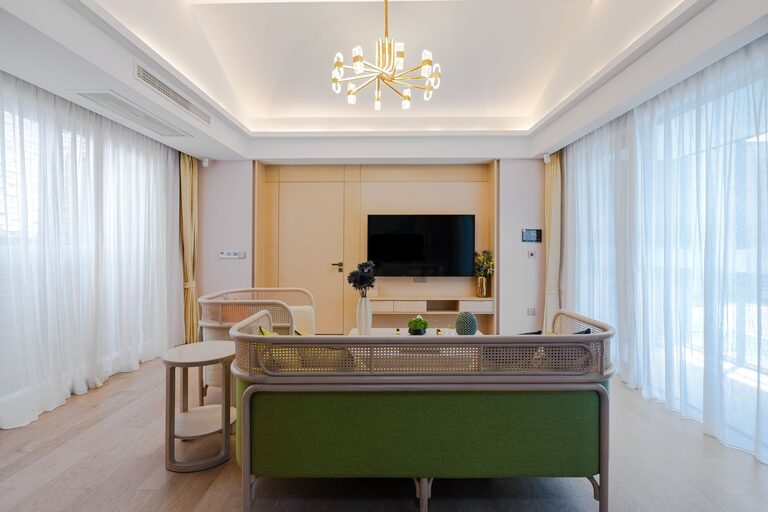
Quick Ideas to Brighten a Dark Room and Make it Feel Inviting
A dark room can feel cramped, gloomy, and uninviting. Fortunately, there are many simple ideas you can try to brighten that space quickly and transform it into a cheerful, welcoming area. Whether you’re dealing with limited natural light or a room with heavy, dark décor, small changes can make a big difference. In this post, we’ll explore practical tips and tricks to lighten up any dark room without a full renovation.
Why Do Some Rooms Feel Dark?
Before jumping into solutions, it helps to understand common reasons rooms feel dark. Often, it’s due to:
– Limited natural light: Few or small windows, or windows shaded by trees or nearby buildings.
– Dark wall colors and décor: Walls, floors, and furniture in dark tones absorb light instead of reflecting it.
– Poor artificial lighting: Insufficient or poorly positioned light fixtures that fail to illuminate the whole room.
– Heavy window treatments: Thick curtains or blinds that block incoming light.
Knowing what contributes to a room’s darkness will help you pick the best brightening strategies.
1. Maximize Natural Light
Natural light is the easiest and most beautiful way to brighten any space.
Keep Windows Unobstructed
Remove bulky furniture or items blocking windows. Replace heavy drapes with sheer curtains that allow light to filter through while maintaining privacy. If privacy isn’t a big concern, consider no window coverings at all or use light-colored blinds that can be fully raised during the day.
Clean Your Windows
It sounds simple, but dirty windows can significantly reduce the amount of light entering a room. Regularly cleaning glass inside and out maximizes sunlight.
Use Mirrors to Reflect Light
Position mirrors strategically to bounce natural light around the room. Placing a large mirror opposite or adjacent to a window amplifies brightness and even creates the illusion of a larger space.
2. Choose Light and Bright Colors
Color plays a huge role in how light or dark a room feels.
Paint Walls in Light Shades
Opt for light, neutral colors such as whites, creams, light grays, pale blues, or soft pastels. These reflect more light, making a room appear airy and open. Matte or eggshell finishes work well because they don’t cause glare but still brighten the space.
Lighten Furniture and Décor
If repainting walls isn’t an option, try introducing lighter furniture pieces or slipcovers. Light-colored rugs, cushions, and throws can also help brighten the overall look.
3. Upgrade Your Lighting
Good artificial lighting is essential, especially in rooms with little to no natural light.
Layer Your Lighting
Use a combination of ambient (general), task, and accent lighting to evenly illuminate the room.
– Ambient lighting: Ceiling fixtures, recessed lights, or large lamps.
– Task lighting: Desk lamps, reading lights, or under-cabinet lighting.
– Accent lighting: Wall sconces, picture lights, or LED strips to highlight artwork or architectural features.
Choose Bright, Warm Bulbs
Pick bulbs with a high lumen output and a warm white color temperature (around 2700K to 3000K). They create a cozy yet well-lit atmosphere.
Add Dimmer Switches
Dimmer switches give you control over lighting levels to suit different moods and times of day.
4. Use Reflective and Light-Enhancing Materials
Incorporate materials and finishes that help bounce light around.
– Glass and acrylic furniture: They take up less visual weight and allow light to pass through.
– Metal accents: Chrome, brass, or polished nickel fixtures and décor pieces can reflect light.
– Glossy surfaces: Semi-gloss or satin finishes on walls and furniture reflect more light than flat finishes.
5. Declutter and Simplify
A cluttered room can feel darker and smaller because items absorb light and create shadows. Keep surfaces tidy and organized to let light flow freely.
6. Introduce Plants for Freshness and Light Contrast
Adding greenery brings life and contrast to a dark room, and plants near windows can encourage more indirect light reflection. Choose light-loving plants like spider plants, snake plants, or pothos.
7. Floor and Ceiling Tips
Light-Colored Flooring
Dark floors absorb light, so if possible, add light-colored rugs or runners to reflect light upward and brighten the space.
Paint Ceiling White or Off-White
The ceiling is often forgotten but painting it a bright white or a very light color helps reflect light back into the room, making the space feel taller and brighter.
Quick Recap: Brightening a Dark Room
– Maximize natural light by clearing windows and using sheer curtains.
– Use mirrors to reflect light around the room.
– Choose light wall colors and light-colored furniture.
– Layer your artificial lighting with bright, warm bulbs.
– Incorporate reflective materials like glass and metal.
– Declutter to allow light to flow freely.
– Add plants to introduce life and light contrast.
– Lighten floors with rugs and paint ceilings bright white.
—
Brightening a dark room doesn’t have to be expensive or complicated. Implementing even a few of these tips can instantly improve the atmosphere, making your space feel more open, cheerful, and inviting. Happy decorating!
