
How to Set Up a Family Command Center for Better Organization
Creating a family command center is a smart way to keep your household organized and running smoothly. Whether you have a busy week full of appointments, chores, and activities, or you simply want to reduce clutter and stress, a command center helps everyone stay on the same page. In this post, we’ll guide you through the steps to set up an effective family command center that fits your home and lifestyle.
What Is a Family Command Center?
A family command center is a designated spot in your home where you keep calendars, to-do lists, reminders, mail, and other essential information for daily family life. Think of it as the home’s headquarters—a place everyone can go to check what’s coming up and what needs to be done.
Common features include:
– Calendars for appointments and schedules
– Chore charts for kids
– Important notes or reminders
– Mail and paperwork organization
– Space to store keys or phones
Benefits of a Family Command Center
Having a central hub offers many advantages:
– Improved communication: Everyone knows the plan for the day or week.
– Reduced stress: No more lost notes or forgotten appointments.
– More efficient routines: Clear reminders help keep chores and tasks on track.
– Encourages teamwork: Kids and adults alike can easily see responsibilities.
Step 1: Choose the Right Location
Location is key for a command center to be useful.
– Pick a high-traffic area: near the kitchen, entryway, or hallway where your family naturally passes by.
– It should be easily accessible to all family members, including children.
– Make sure there’s enough wall or surface space to accommodate your supplies and tools.
Step 2: Gather Supplies and Tools
Before setting up, collect the basic items you’ll need:
– A calendar: wall calendar, dry erase board, or magnetic calendar
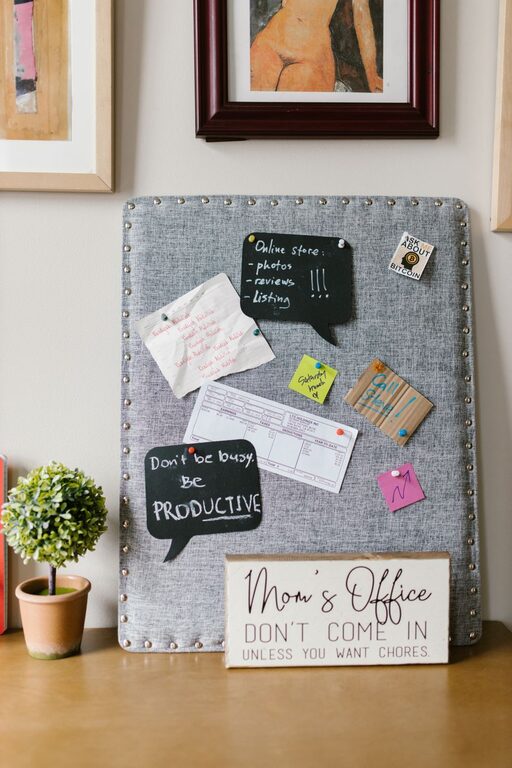
– Corkboard or bulletin board for notes and reminders
– Bins, baskets, or trays for mail and paperwork
– Hooks or small shelves for keys, sunglasses, or phones
– Pens, markers, sticky notes, and paper
– Optional: chalkboard, clipboards, or magnetic strips
Step 3: Organize Your Command Center Contents
Think about what information your family needs to see daily or weekly.
Calendars and Schedules
– Use a large calendar everyone can see clearly.
– Mark important dates like appointments, school events, and deadlines.
– Color-code events by family member for easy recognition.
To-Do and Chore Lists
– Create a chore chart or checklist.
– Assign tasks with clear deadlines.
– Update and rotate chores regularly to keep things fair.
Mail and Paperwork
– Designate a mail station with separate slots for incoming and outgoing mail.
– Keep important papers you need to review or file nearby.
Notes and Reminders
– Use sticky notes, bulletin boards, or magnetic strips to post reminders.
– Include motivational quotes or family goals to keep spirits high.
Step 4: Personalize Your Space
Make your command center inviting and aligned with your home’s style.
– Add decorative elements like frames, washi tape, or fun magnets.
– Include a small calendar or planner for older kids.
– Use labels to keep everything clear and organized.
Step 5: Involve the Whole Family
Get everyone on board so the command center becomes a shared tool.
– Hold a family meeting to discuss what to include and where to place it.
– Let kids pick colors or decorations for their section.
– Establish daily or weekly routines to update the center together.
Step 6: Maintain and Update Regularly
A command center works best when it’s kept current.
– Take a few minutes each day to review and update information.
– Clear out old papers and notes regularly to avoid clutter.
– Adjust schedules and chores as needed to reflect changing routines.
Bonus Tips for Success
– Use digital calendars and apps to complement your physical command center.
– Keep supplies like pens and sticky notes stocked in a dedicated container.
– Consider installing a charger station nearby to keep devices powered.
Final Thoughts
Setting up a family command center is a practical way to streamline household management and encourage teamwork. With a little planning and creativity, you can create a space that supports your family’s daily needs and reduces chaos. Start small, adapt as you go, and watch how this simple addition can make a big difference in your home life.
